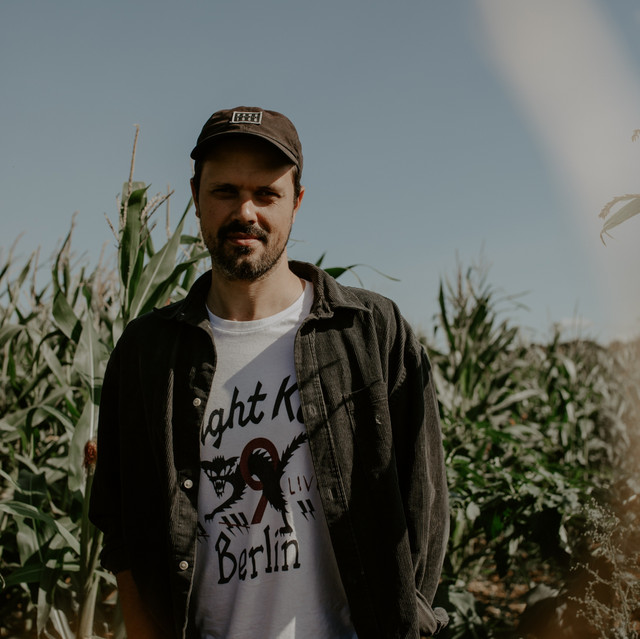
About the Artist
We Are All Fossils is the atmospheric indie-folk project of South African-born, UK-based singer-songwriter Jakob Deist Oelofse. Known for blending ambient textures with deeply personal storytelling, his music is inspired by the landscapes of the Lake District and Durban. Following his early albums The Optimist and Songs for Strangers, Oelofse released the acclaimed LP Gravity in Grief in late 2025, featuring poignant, nature-infused singles like "Rapture" and "Ocean Blue."

We Are All Fossils
About the Episode (Episode 13)
The Human Imprint: Jakob Deist on the Art of Leaving Something Behind
Jakob Deist, the South African-born, London-based songwriter behind We Are All Fossils, does not shy away from the weight of existence. In this episode of The Curious Goldfish, Jason English sits down with Deist to explore how music acts as a literal fossil—a permanent record of a temporary life. Since the release of his acclaimed album Songs for What’s Left, Deist has emerged as a vital voice in the indie-folk scene, earning features on influential platforms like Indie Folk Central for his atmospheric and deeply intimate storytelling.
1. Legacy Through Mortality
The project’s name, We Are All Fossils, serves as a memento mori. Deist reflects on the idea that every human interaction leaves a mark, much like a biological imprint in stone. "We are all leaving an imprint," he notes, suggesting that our lives are ultimately defined by the traces we leave behind for others. This awareness of mortality drives the urgency and emotional depth found in his songwriting.
2. Healing Through "The West"
Deist discusses the emotional weight of his discography, particularly the haunting track "The West." For him, songwriting is less about commercial output and more about psychological preservation. He candidly admits, "I had to write that record to heal myself," highlighting a therapeutic process that mirrors the podcast's themes of resilience. His music serves as a necessary vehicle for navigating the "storms" of personal transition and grief.
3. Embracing the Messy Truth
A central theme of the conversation is the value of imperfection. Deist expresses a desire for his future work to be "a little messier," moving away from over-polished studio production to capture the raw energy of a live performance. He believes honesty is the ultimate connector, stating, "You can't save tomorrow or relive yesterday."
Through this conversation, listeners gain a profound look at an artist who views curiosity as a tool for survival. It is a quiet, powerful reminder that while our time is fleeting, the songs we craft keep us tethered to the world.