I found The Belgian Blue by accident, somewhere in a streaming playlist. A Vienna band playing Americana was enough to make me stop and listen. The songs made me stay.
On Summer Sweeps, five musicians from Ireland, the United States and Austria turn a summer spent in Montana into eight songs about travel, work, leaving and finding a place to belong.
Go West Young Men
When I interviewed three members of The Belgian Blue in August 2024, they called in from a cabin in the American West. Pádraig Mac Mahon had been writing in a cinder-block RV near a logging camp in Montana's Little Belt Mountains. I didn't know then that those songs would become Summer Sweeps. The band later finished them in Austria with producer Jakob Herber.
Mac Mahon, an Irish singer and guitarist, met American guitarist and banjo player Ian Strahn in a shared flat in Vienna. They busked together and put on basement shows, where they met keyboardist Ferdi Rauchmann and bassist Jani Holzer. Drummer Mo Herzog completed the lineup. You can hear those different backgrounds in the songs without needing a tidy genre name for them.
The Belgian Blue Sound
There are traces of indie rock, folk and Americana here. Think Death Cab for Cutie meeting Nathaniel Rateliff, with an Irish singer at the microphone. In our conversation, Mac Mahon laughed about a website that classified the band as “New Wave Deep Americana.” He grew up listening to American roots music and Irish music, and hears a connection between the two traditions.
Strahn had a better description of how the band works: their influences, including Austrian music introduced by the other members, get “thrown in into a big smoothie together.” Mac Mahon said a song may start with him or Ian, but it takes shape once the whole band plays it. An Irish songwriter, an Austrian drummer and an American banjo player can make for “a bit of a complicated mess at times,” he admitted. On this record, that mix is the point.
Summer Sweeps: A Season to Build Off Of
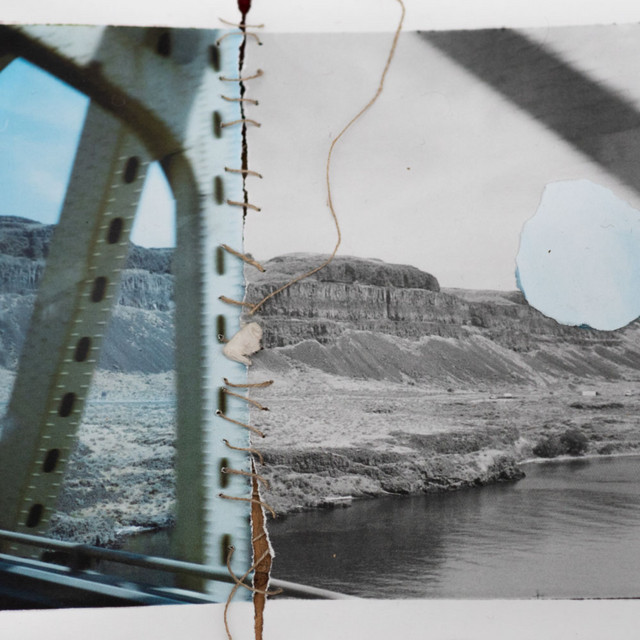
The band calls Summer Sweeps a “tattered, sonic collage of vignettes documenting the cracks and stark contrasts of rural and urban communities.” The Montana setting comes through in the details: coyotes, conifers, a dinner bell and someone who knows it is time to leave.
The title song sounds peaceful even as Mac Mahon sings about holding on to a place he cannot keep. “Nights reverberate / With coyotes in the fields” puts you there. By the time the dinner bell sounds through the pines, he understands that the land is not his. That quiet realization is more effective than a big farewell.
“Sorry, Chicago” moves faster. A breakdown outside Ellensburg, no propane near Spokane, Rainier in the windshield: the place names give the song its mileage. I can picture the band opening a festival set with it.
This period of songwriting in Montana was one of significant personal reflection for Mac Mahon. He shared during the interview, "I've been here for about a month and a half now and haven't been... performing, which is probably the longest time since I was a kid... I'm in this time now, uh, noticing some changes in my, in my voice and then in my sort of way of seeing music and which is, which is terrifying... but I think it's actually probably going to be the thing that is going to be the most exciting thing for me out of this is just to, to see how my creativity or my output, my performative output changes... and I'm excited to remain open to that."
"I've been here for about a month and a half now and haven't been... performing, which is probably the longest time since I was a kid... I'm in this time now, uh, noticing some changes in my, in my voice and then in my sort of way of seeing music and which is, which is terrifying... but I think it's actually probably going to be the thing that is going to be the most exciting thing for me out of this is just to, to see how my creativity or my output, my performative output changes... and I'm excited to remain open to that."
This commitment to embracing change and authentic expression is a powerful undercurrent in "Summer Sweeps."
Three other songs show how much ground Mac Mahon's voice can cover:
“Delirium” turns inward, with the singer trying to untether himself from someone.
“Beautiful World” looks at wealth, loneliness and people moving in circles.
“Blood” faces the end of a relationship without pretending either person was always right.
That Voice
MacMahon's singing is hard to mistake. He told me he feels connected to the Irish history behind his voice, then joked that an Irishman's best threat is to write a song about someone who wronged him. Strahn hears something else when they play live: “Pádraig sings so goddamn loud,” he said. “I get goosebumps.” I can hear why.
They have gone from busking and basement shows to selling out rooms in Vienna. MacMahon remembers the night the band asked itself whether it was serious about making music together. They chose to commit. Strahn talks about building a community around the songs, and this record gives people a good reason to gather.
Summer Sweeps sounds like a band still discovering what it can do. MacMahon put it plainly: they want to find their limits, then “shatter that or move away from that and go in a new direction.” For now, the songs from that Montana summer are plenty to sit with.
******************************************
You can find out more about The Belgian Blue and their music on their YouTube channel.